  • The EESC President believes that the European budget “will not fulfil its purpose” and will widen the gap between the EU and its citizens

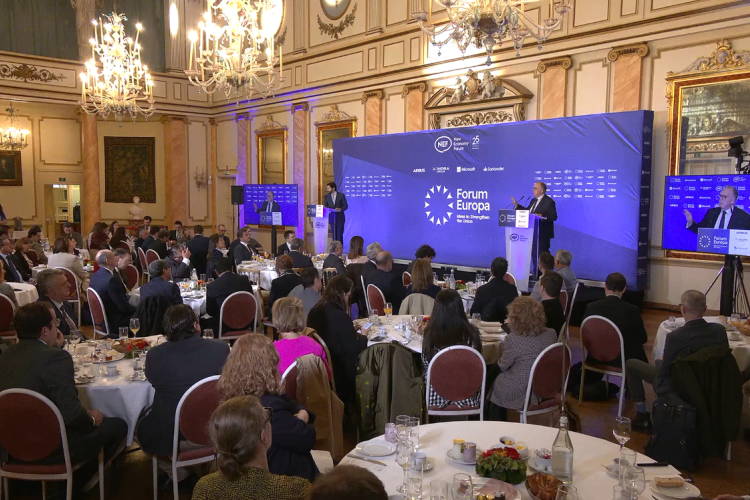
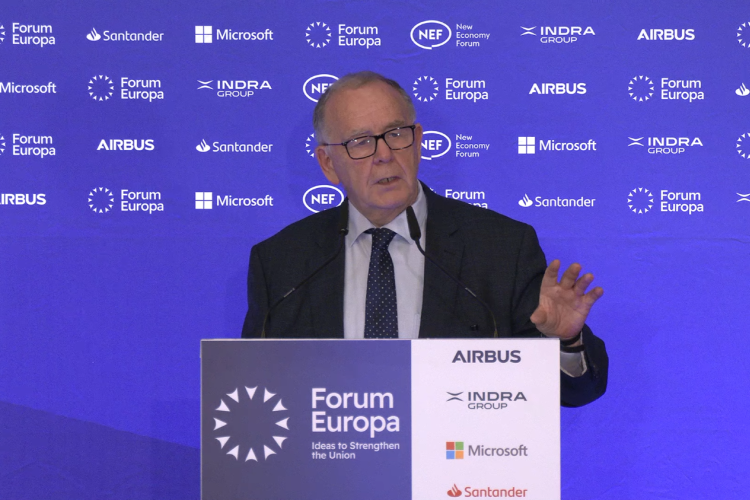
    The President of the European Economic and Social Committee (EESC), Séamus Boland, stated on Tuesday at the Forum Europa in Brussels that the 2028–2034 EU budget “will not fulfil its purpose” due to the way it has been drawn up, and predicted that it will widen the gap between the EU and its citizens.

    Speaking at a breakfast briefing organised by New Economy Forum in the EU capital, Boland remarked that the budget would be “a typical ‘bubble’ agreement” from Brussels, and pointed out that outside the EU “there are elections and a great deal of tension” amongst citizens in different countries.

    The EESC President pointed out that budget negotiations ultimately boil down to a struggle between “the frugal states and the others”, with the former advocating budget cuts and the latter arguing for the opposite.
  • EESC calls for the housing crisis to be declared an “emergency” and for action to be taken “accordingly”

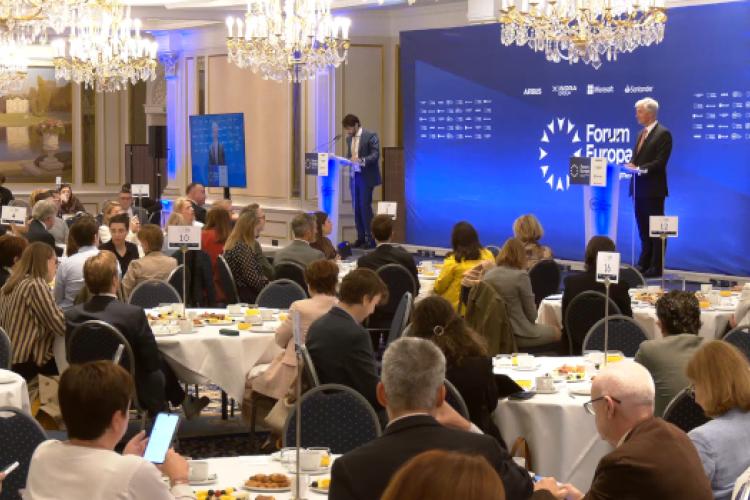
    The President of the European Economic and Social Committee (EESC), Séamus Boland, called on European authorities on Tuesday at the Forum Europa in Brussels to “declare the housing crisis an emergency and act accordingly”, with the necessary administrative measures and financial backing to start seeing results.

    “I would like to see Member States, both at European level and within the Council of Europe, decide that we are facing an emergency. I myself would consider it an emergency”, Boland emphasised at a breakfast briefing organised by New Economy Forum in the EU capital.

    During his speech, the EESC President explained that the housing crisis in Europe has two causes. On the one hand, the lack of funding packages, which depend on both the banking sector and the public sector.

  • The European Economic and Social Committee calls for “swift action” in the face of rising energy prices

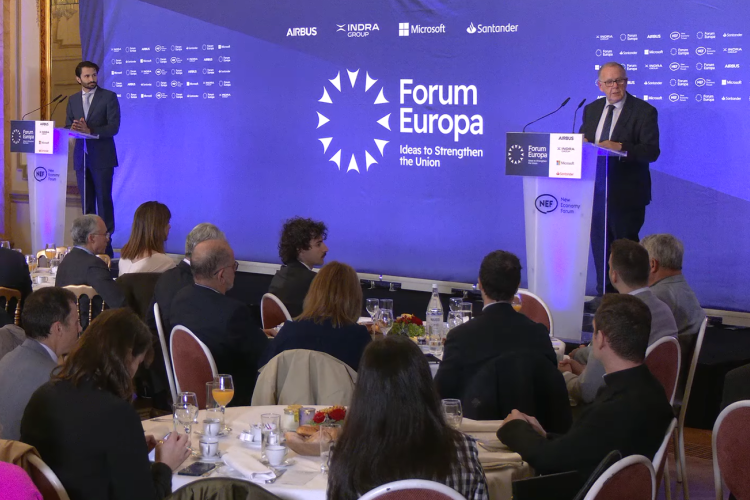
    The President of the European Economic and Social Committee (EESC), Séamus Boland, called on Tuesday at the Forum Europa in Brussels for “swift action” in the face of rising energy prices and warned that, otherwise, “Europe will be furious”.

    At a breakfast briefing organised by New Economy Forum in the EU capital, Boland explained that this surge is “closely linked to global geopolitics” and the war in Ukraine, and is therefore plunging Europe “into a very serious situation”, with fuel prices “around 50 or 60 cents or perhaps more, higher than a year ago”.

    “I believe the situation will be very serious if these prices are not curbed, even though part of it is beyond our control”, he admitted.

  • The EESC president believes that “Europe could have come together more to support” Spain with its migration issues

    The President of the European Economic and Social Committee (EESC), Séamus Boland, commented on Tuesday at the Forum Europa in Brussels that “Europe could have come together more to support Spain” with its migration issues over the summer –referring to the mass influx of migrants into Ceuta– and warned that “this situation should not be repeated”.

    “Spain was dealing with the problem at its own borders, something it perhaps did not expect. Be that as it may, that is beside the point. The question is: did Europe rally round Spain? No, it did not. Therefore, Europe needs greater cohesion on migration”, he said at a breakfast briefing organised by New Economy Forum in the EU capital.

  • Symonds (ERT): “No industrial strategy will survive without competitive energy prices”

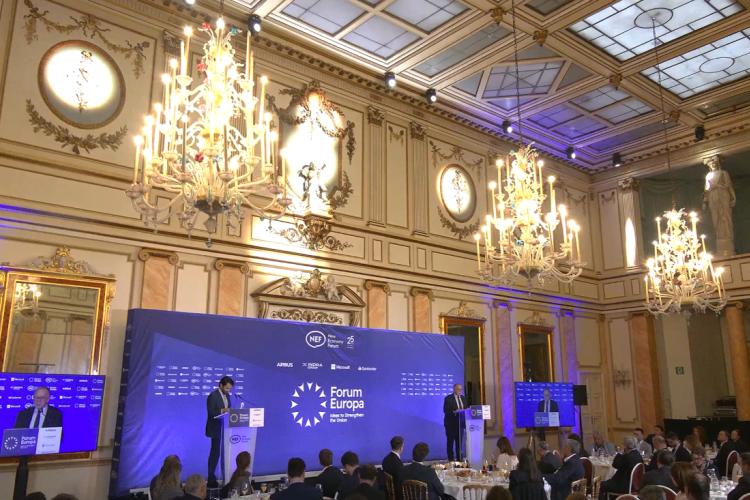
    The Chair of the European Round Table for Industry (ERT), Sir Jonathan Symonds CBE, warned on Tuesday at the Forum Europa in Brussels that “energy insecurity” is “the most significant risk” currently facing businesses on the continent.

    During his speech at this event organised by New Economy Forum in the EU capital, Symonds pointed out that energy is a major cause for concern for companies in the current geopolitical climate and must be treated as a priority issue to be resolved by EU institutions.

    “No industrial strategy will survive if energy prices are not competitive,” said the head of the ERT, a lobby group comprising sixty major European multinationals.